Transforming OLIVER
The most significant creative achievement of my career is the creative transformation I led at OLIVER UK. There’s no one killer picture that can capture it all, so here are 1,000 words instead…

You may not be overly familiar with my name. But, if you know OLIVER’s in-house story, you’ve already seen the impact of my work. I was a key part of transforming OLIVER UK from production-led to creative-first, and then AI-enhanced.
From the home of in-house – to the new model for AI creativity at scale.
When OLIVER hired me as Executive Creative Director in 2017, their model was scaling fast – but the creative reputation was still catching up. If you knew OLIVER at this point, you probably thought “efficient in-house studio builders”, not “award-winning creative partner”.
We had over 50 clients and almost as many on-site agencies throughout the UK. The creative teams were embedded with clients, doing solid work, but with little connective tissue.
I’d spent 20 years inside WPP and Omnicom networks and had rarely seen real cross-network collaboration happen.
At OLIVER, I saw the chance to build the opposite. A collaborative creative community, immersed with clients, connected across markets, with a unified ambition to create outstanding work.
“Rob inspires creatives by leading through the work – raising the bar on quality, building the systems to sustain it, and shaping a genuinely collaborative creative culture. Not just good individuals, but a stronger machine. Strong leader, strong operator.”
Creative growth, and scale.
Each of OLIVER’s embedded teams is its own individual agency. My job as ECD wasn’t just to inspire and equip them to make better advertising, it was to turn a fragmented map into a genuine creative network. It was about building a creative culture capable of thriving alongside the complex, political, high-speed reality of modern business and brands.
My brief was simple but demanding:
Raise creative quality and establish a genuine creative reputation.
Help bring in new clients and build bespoke embedded agencies for major brands.
Turn a production-led model into an orchestrated creative network, with teeth.
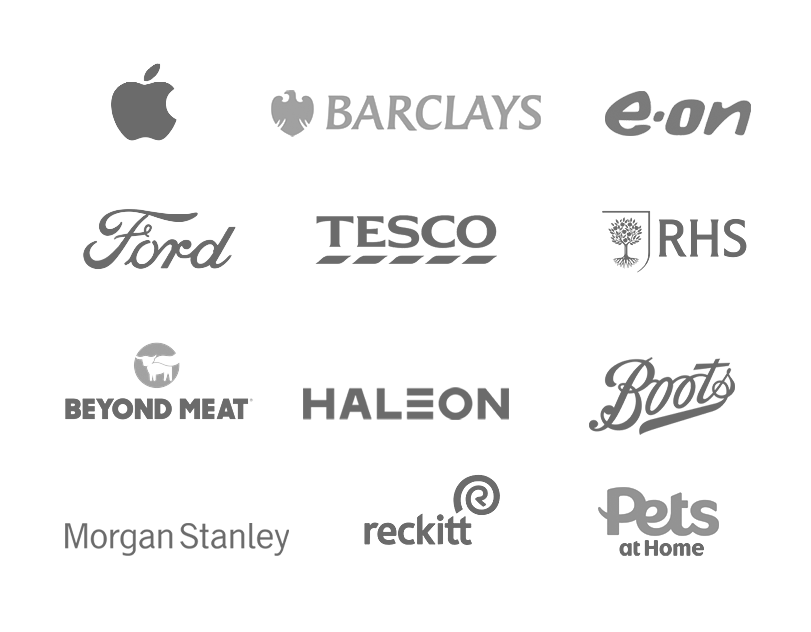
Over the following years I helped set up dozens of bespoke embedded agencies, each tailored to the brand’s needs. We won brands that included Boots, Reckitt, Apple, Ford, e.on, Haleon, RHS, Tesco, World Remit, McDonald’s, MindGym, Morgan Stanley, Pets at Home, Danone, Beyond Meat, and Barclays.
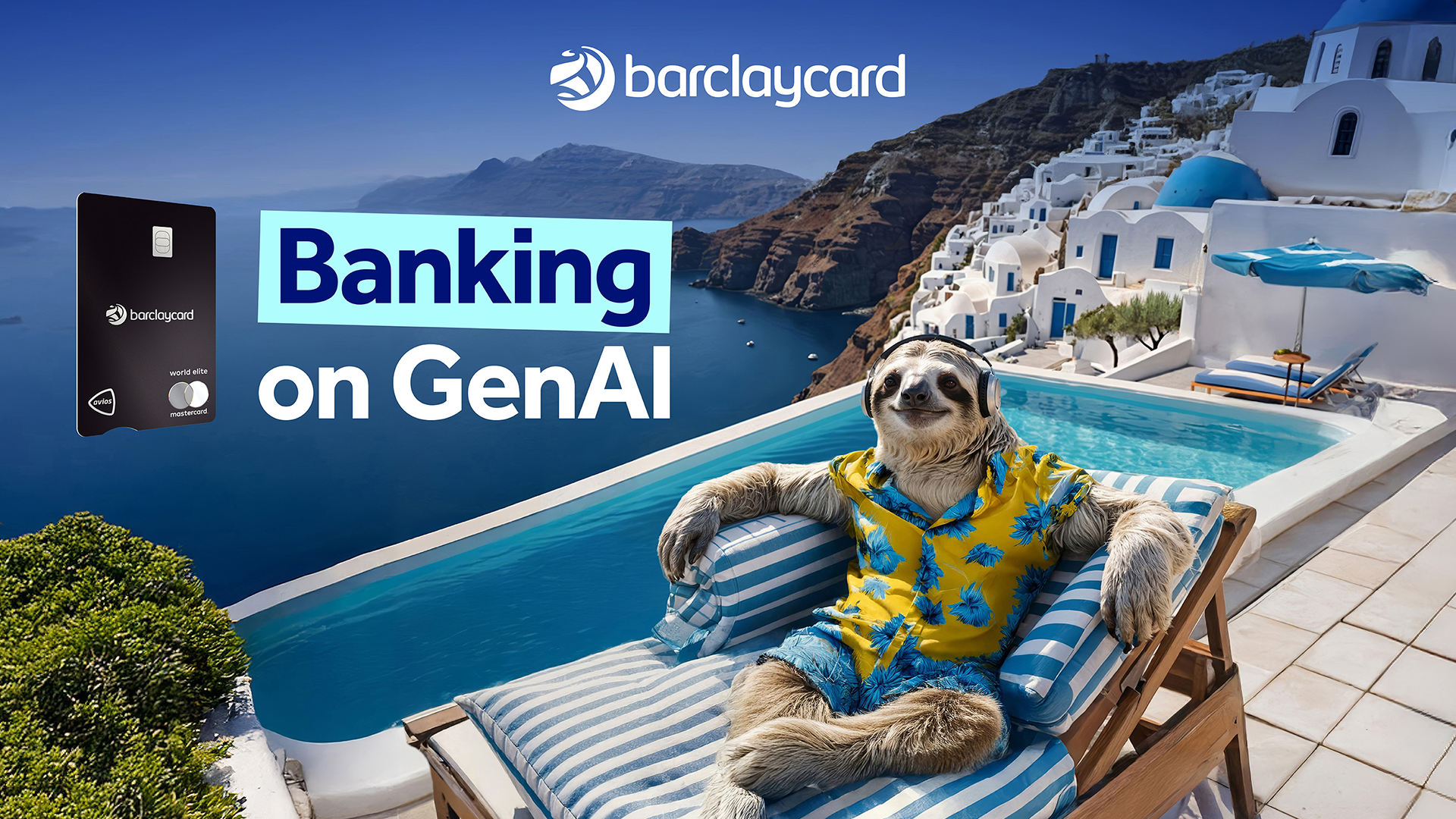
Barclaycard is a good example. Financial services is one of the most regulated, risk-averse categories. If you can make ambitious, effective work there, you can do it anywhere. Barclaycard became both a pressure test for how far we could evolve the model with a complex client, and a gratifying creative outlet.
Campaign Agency Of The Year Reel 2025
The Creative Challenger
Within 12 months, OLIVER had delivered its first major statement of creative intent.
Our first Gold awards – proof that an embedded in-house model could bring home award-winning ideas at scale.
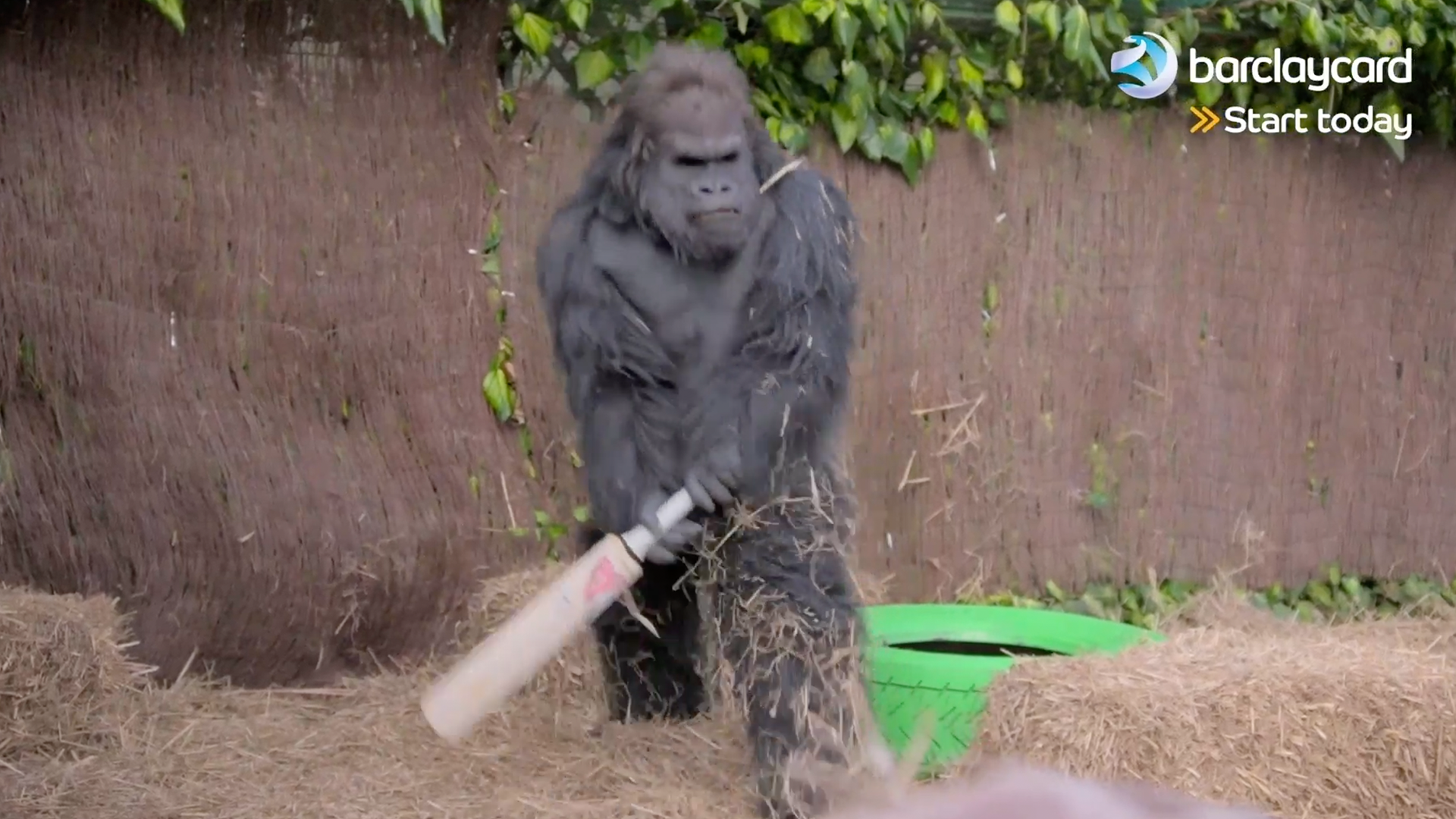
An award-winning film spot – Barclaycard “Gorillas”, an unassuming fraud-prevention brief, would become our first prime time TVC and showed we could deliver big, broadcast-level storytelling as well as always-on content.
First huge win– Client pitch win here
A first amongst equals – every brand in the UK had the exact same brief for GDPR. Before we put pen to paper, I set a clear ambition to win awards and beat the inevitable digital landfill. We did both – driving standout results and earning recognition across the industry.
Over the following years there were many more firsts.
Campaign Agency of the Year finalist in 2020 – the first of 5 years in a row.
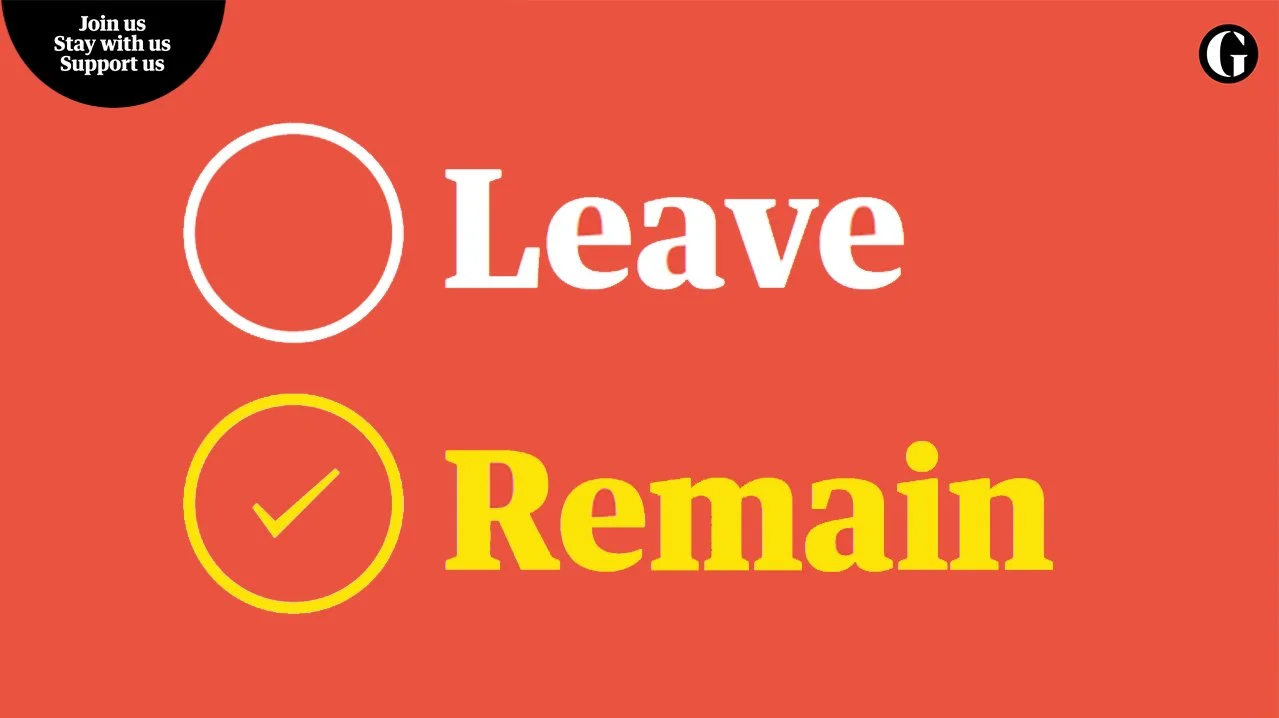
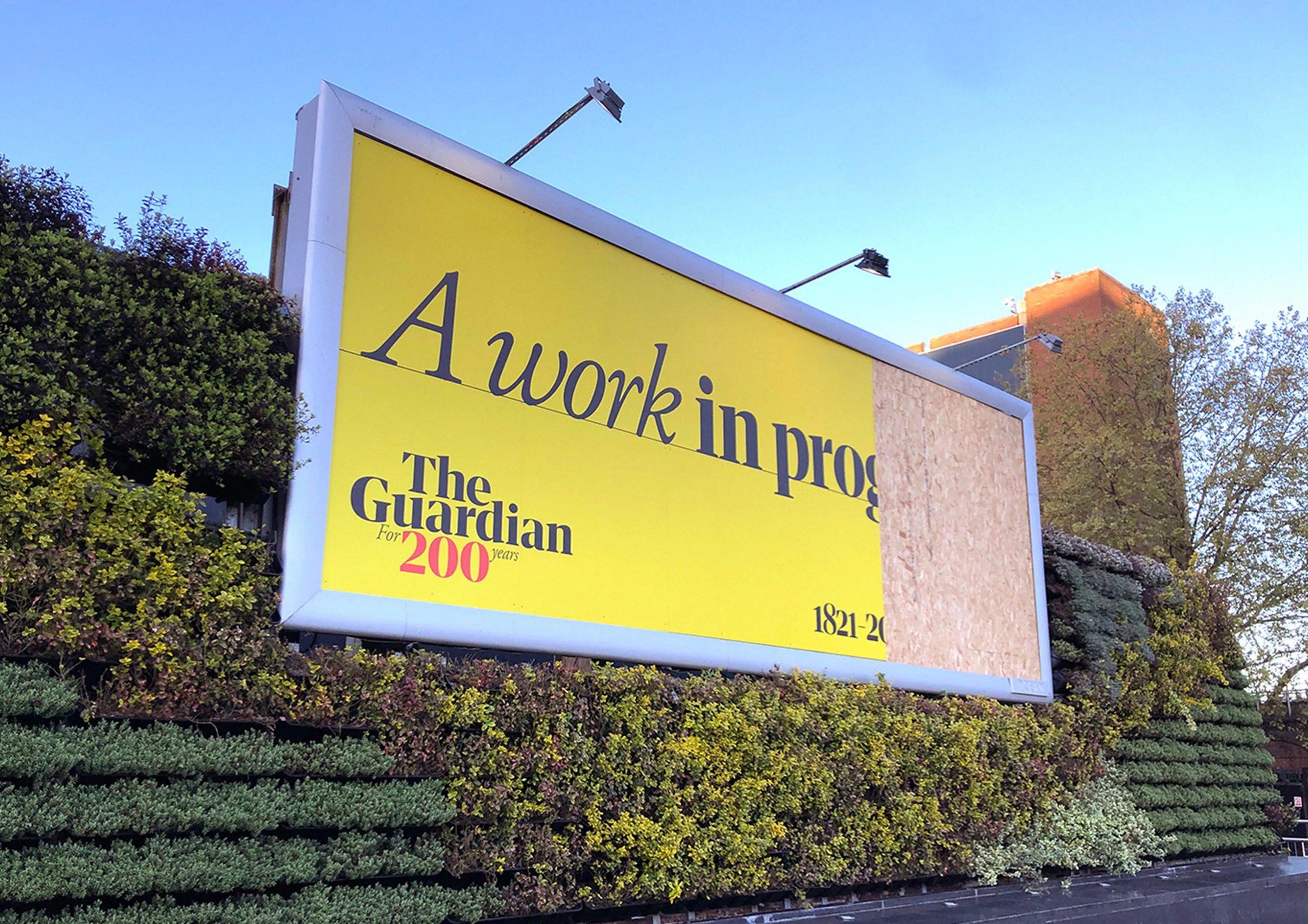
D&AD Pencil – The Guardian’s 200th anniversary – work by Sam Jacobs, Rae Stones & Liam Smith picked up OLIVER’s first D&AD pencil. A proper creative milestone for our business.
Add another first here.
And most recently, our first AI category award finalists. For Pets at Home and Barclaycard.
Of course, the creative growth was key to growth in other areas too – our client list expanded to 100, our revenue trebled to £110m, and my creative department grew to around 400 creators.
Raising the dancefloor
My real job wasn’t to chase one or two moonshots. It was to raise the floor across everything we made into low earth orbit. No brand left behind.
Culturally we embraced this as “the dancefloor” – a stage for your best performance no matter how big your part. That required a shift in creatives’ will-sets as much as their skill-sets. My leadership team turned on-site silos into foxholes – each one fighting for a common creative objective:
create the best work, for each of our clients, in their world.
OLIVER’s worlds varied widely: retail, professional services, news media, banking. From 360 integrated campaigns to social content and design-led marketing. Our strategy was simple: leave the brand in a better place through each and every project.
I developed initiatives and tactics to hardwire that mindset into the work. Applied across hundreds of briefs, the collective ethos quietly but relentlessly increased the creative quality, like compounding interest for creative excellence. That led to more effective work, more awards, and more clients knocking.
I’ve captured what I learned about building creative teams and cultures into a practical playbook. It is not something I publish. But it is the framework I now use with leadership teams and brands that want to transform their own departments and creative outputs.
Embedded creatives as a brand’s superpower
While the in-house model has evolved into an embedded one, the mindset of those creatives still travels further than most. More than being simply in-brand, they are in-step and in-tune with the wider business.
They see opportunities long before they become formal marketing briefs. They know the products and the pain points. They care enough that they will take a bullet for their brand – whether it’s a household cleaner, a left-leaning global newspaper, or a magic circle law firm.
I still hold up our reactive work for Barclaycard off the back of Banksy’s “Love is in the Bin”. Only a team who lived and breathed the brand would instinctively reach for the esoteric Section 75 protection and turn an art-world story into a brand opportunity within culture, within hours.
A global creative network that never sleeps
When OLIVER appointed a Global Chief Creative Officer – Rod Sobral – to weaponise our international creative reputation via BrandTech Group, the UK became the engine room for OLIVER’s global creative culture.
On a daily basis, ideas, inspiration and talent moved across time zones. The sun genuinely never set on OLIVER’s creative community. Over seven years I fostered internal networks so that I always knew who to call in any market. That trust, across hundreds of people, is not easily replicated, and invariably made the difference between having the right talent on a campaign versus the very best.
None of this happened in isolation. I worked alongside other phenomenal leaders including Simon Martin, Sharon Whale, Amina Folarin, Rachel Hatton, Ed Howarth and Brian Eagle. My part was to give the creative side a clear, demanding but realistic standard, and a culture people wanted to be part of and thrive within.
CreativityAI
Long before most agencies had a strategy for generative AI, we already had our show on the road.
Ignited by BrandTech Group’s ambition to be the world’s number one AI marketing company – and their proprietary Pencil platform – OLIVER set out to be the number one AI creative company.
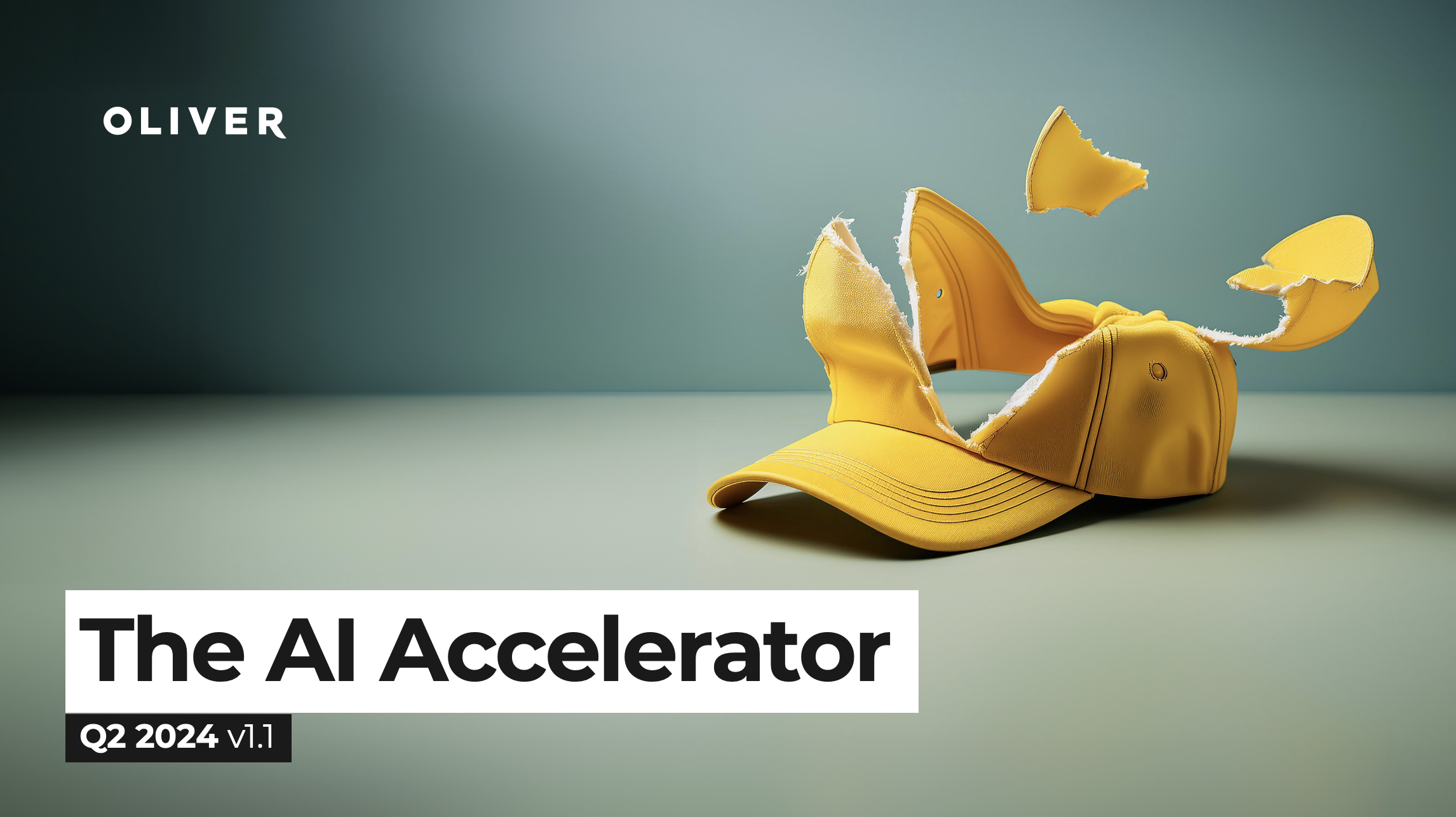
In the UK I created the AI Accelerator initiative to give creatives ownership of their learning journey. The aim was simple: help people learn, unlearn and relearn fast using AI as a co-partner to amplify their skillset, and move talent from scepticism to specialism.
We started with dedicated development days built around learning material I created with our Group Head of Design, combined with “all you can eat” access to GenAI platforms. The initiative became the gold standard for GenAI proficiency across the global L&D team.
Most importantly, it gave creatives the confidence to lead AI conversations with their clients. That unlocked opportunities for AI-powered growth by showing brands what was possible – often before they knew what to ask for.
Our goal was always to use AI consciously: to clear out the average and accelerate genuinely unexpected, effective work.
Hello, World!
What OLIVER gave me. And where I’m taking it.
My time at OLIVER helped transform their creative reputation, and it transformed my core capabilities too.
I left OLIVER with three things:
• A tested playbook for inspiring and transforming creative teams and the advertising work they create.
• Deep, hands-on experience of embedded agency models, and particular expertise in financial services and other complex sectors.
• A first-mover and maker advantage with AI – and a clear point of view on how it should reshape creative work.
It’s where my creative tribrid idea comes from: taste, tech, and transformation. That’s an award-winning creator. GenAI leader. And Agency builder.
The most valuable thing I’ve learned and experienced is how AI has the power to endear a brand with consumers in ways that stretch far beyond traditional marketing communications and ads. It can help transform every facet of creativity and innovation in an organisation and create entirely new products, services and experiences for brands.
That is the frontier where I want to work: with AI platforms and AI-ambitious brands, to establish, orchestrate and lead the next generation of creative systems, innovations and work that will define the next decade.